Journal

What the room keeps writing down.

Short notes from class: swing choice, extension clusters, a 61.8 morning, and the midpoint we refuse to call a Fibonacci ratio.

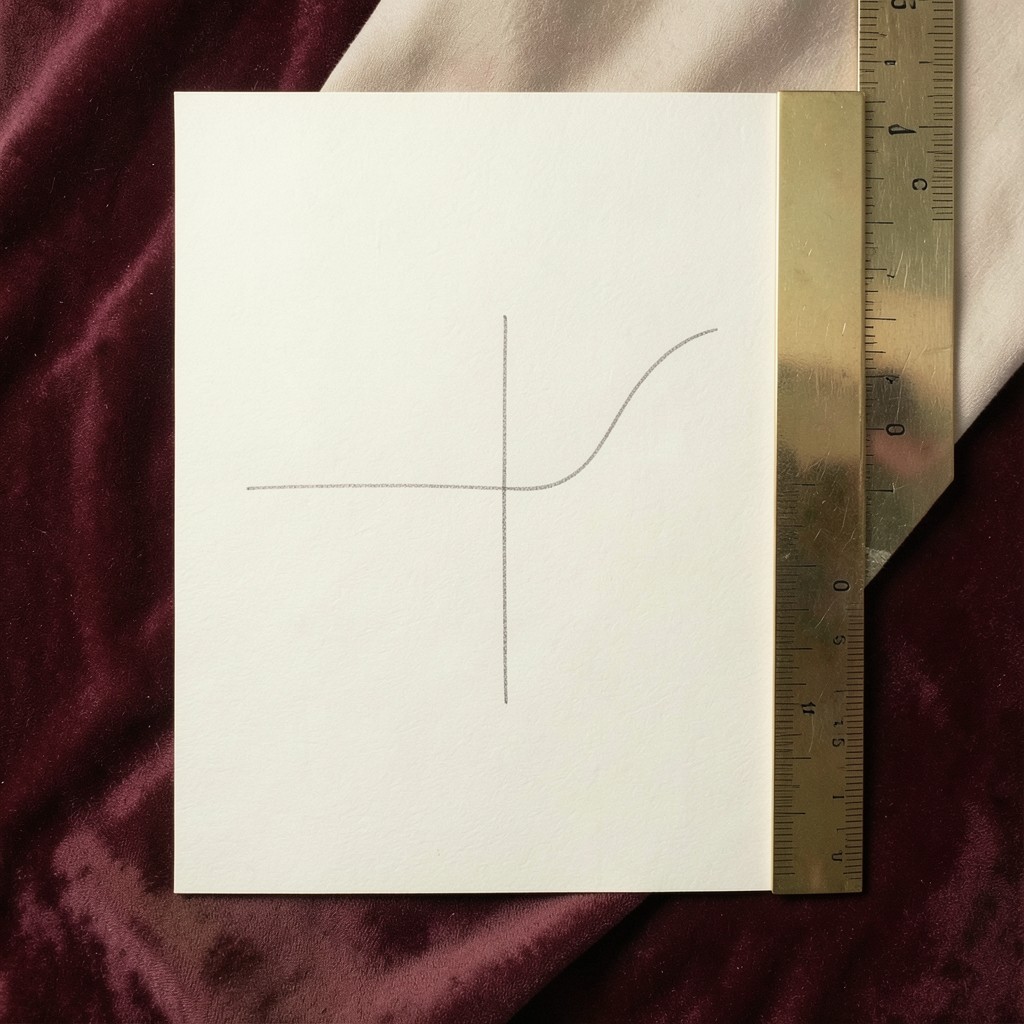
A printed chart with two pencil marks showing the start and end of a price swing

4 September 2026

Choose the swing before you touch a ratio

Students often arrive with a ruler already aimed at the 61.8 line. In the studio we ask them to put the ruler down and say the swing in one sentence: where it began, where it ended, and whether it is an upswing or a downswing. If that sentence takes a paragraph, the swing is not ready.
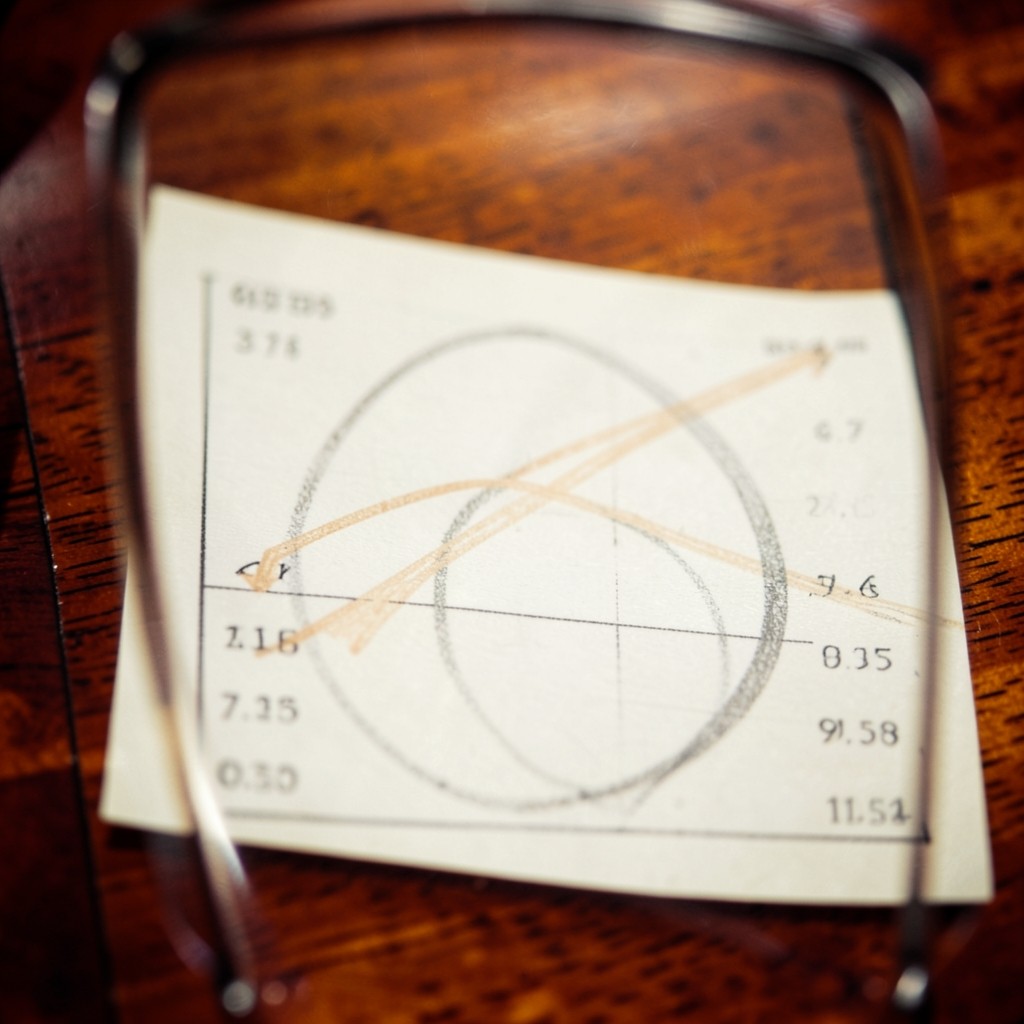
Overlapping pencil arcs on a chart where two extension levels meet

28 July 2026

When an extension lands on an older high

Kittipong draws clusters only after both swings have been spoken aloud. A cluster, in the clinic, means a small-swing extension and a larger-swing extension landing near the same price, or an extension landing near an older high or low that is already on the page. Near is a judgment. We do not pretend it is a formula with a secret width.

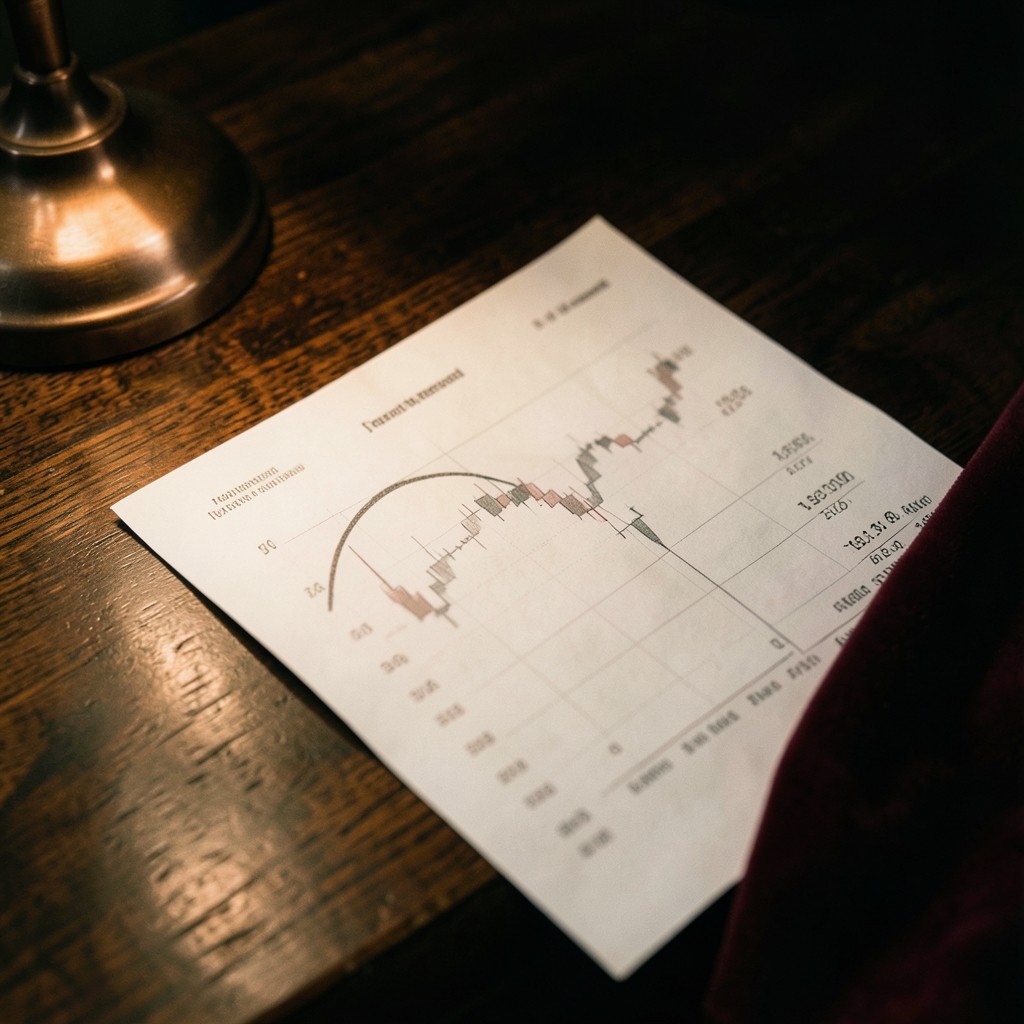
A paper chart on a wooden desk in warm lamplight, with a deep retracement arc drawn in pencil

2 June 2026

A 61.8 pullback in the Bangkok morning

Several students watch the first hour after markets that matter to Bangkok are active, then come to class with that hour printed. The page is short enough to review the same evening. That is why the morning shows up so often on our table, not because the morning has a special ratio.

A chart sheet with a midpoint line drawn beside a deeper retracement arc

12 March 2026

Why the studio still draws the 50 percent line

Fifty percent is not a Fibonacci ratio. The sequence that gives 61.8 and 38.2 does not hand you one half. We say this on the first evening, and then we draw the line anyway.