4 September 2026
Choose the swing before you touch a ratio
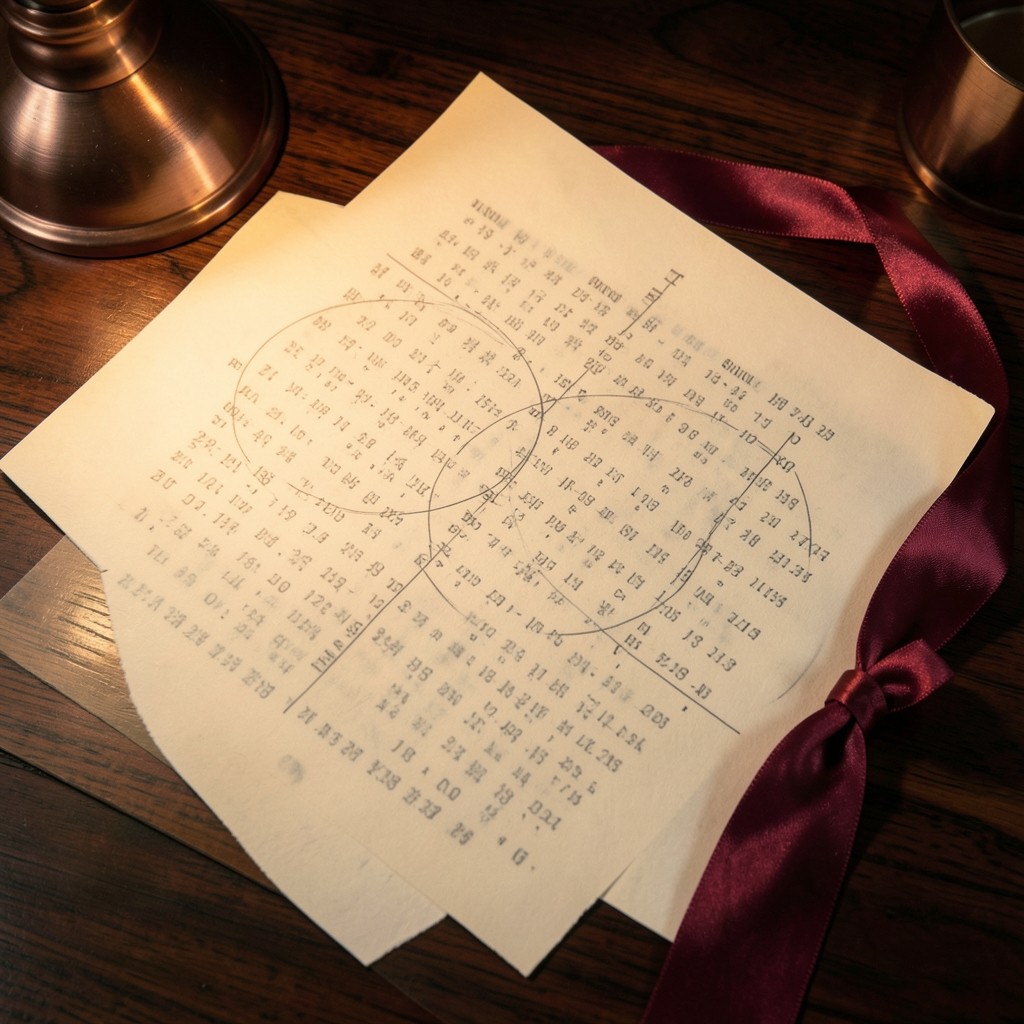
Students often arrive with a ruler already aimed at the 61.8 line. In the studio we ask them to put the ruler down and say the swing in one sentence: where it began, where it ended, and whether it is an upswing or a downswing. If that sentence takes a paragraph, the swing is not ready.
A swing, in this room, is the move between two points we are willing to defend. An upswing starts at a low we can point to and ends at a later high. A downswing starts at a high and ends at a later low. Retracement levels then fall back inside that move. Extension levels project past the end of it. Neither family of lines exists until the two points are chosen.
On a recent Thursday we used a printed gold chart from a student’s folder. Two highs sat close together near the right side of the page. Half the room wanted the later high because it was slightly higher. Anong asked what happened between them. The later high was a brief poke after a stall, and the earlier high was the one the prior rally had actually reached and left. The room kept the earlier high. The 61.8 line moved. That is the whole lesson in one page.
A swing fails the classroom test when it is only a wiggle inside a larger move the student is avoiding. We see this when someone marks three candles because those candles contain a tidy pullback, while the obvious rally on the same sheet is the one they trade in conversation. The small swing can be drawn later, as a second map. It cannot replace the larger one without being named as the smaller one.
The exercise we repeat is simple. Mark A and B. Cover the ratio sheet with a blank page. Explain A and B to the person beside you without using the word Fibonacci. If you need a ratio to justify the points, the points are doing too little work.
Extensions inherit the same rule. A 161.8 projection drawn from a swing you cannot describe is only a confident pencil line. The last evening of the studio is spent rubbing those lines out.